
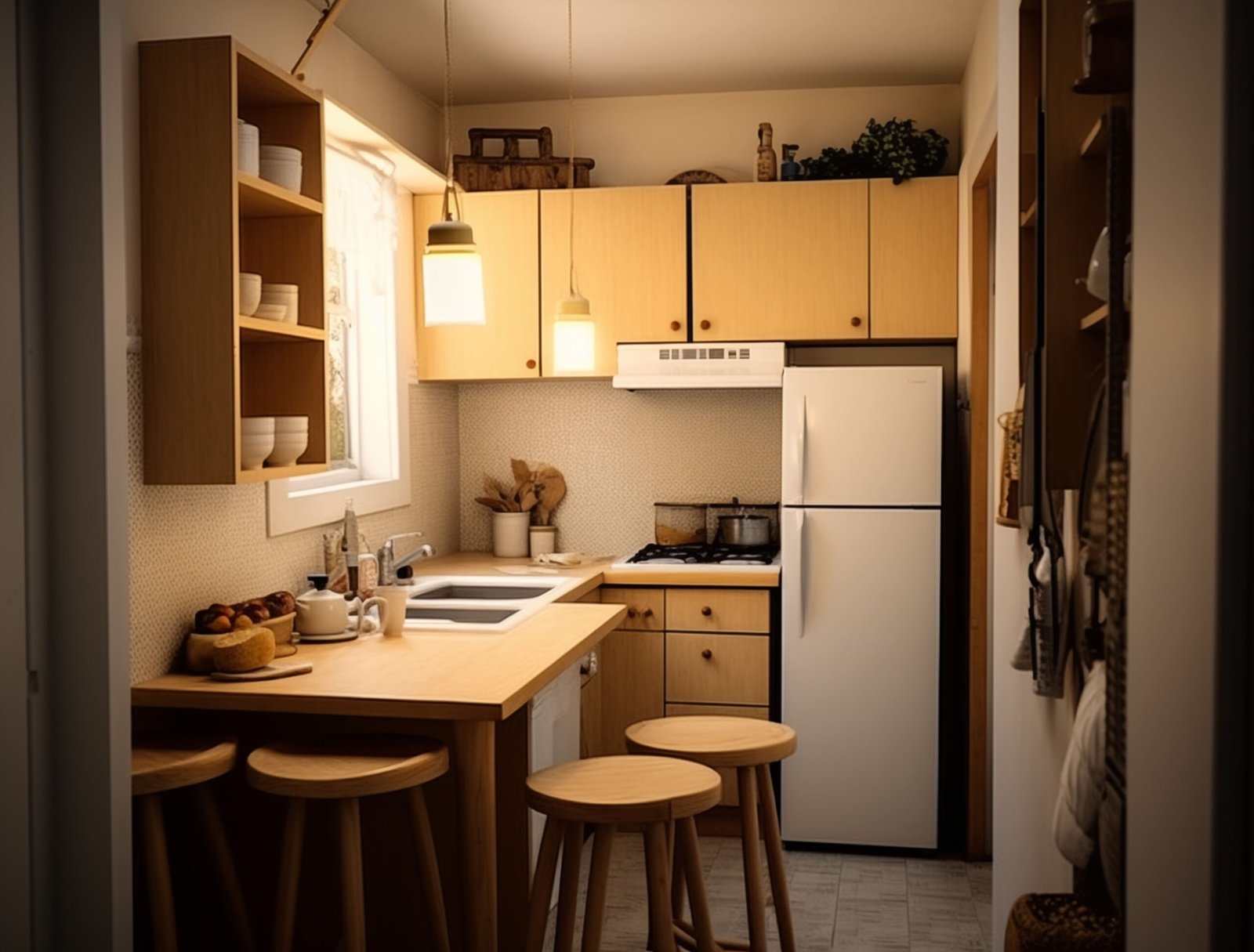
Learn how to organize kitchen cabinets step by step with easy tips, budget-friendly organizers, and real-life examples for a clutter-free kitchen.
Refresh Your Cabinets in 7 Steps
Before we get to the “how,” let’s talk “why.”
Most people don’t realize how much they can benefit from an organized kitchen until they do something about it. Learning how to organize kitchen cabinets properly is the difference between a kitchen that stays tidy and one that falls apart within a week. The issue with a messy kitchen is that it causes a number of headaches, including:
- Having to spend extra time digging through cabinets to find something you need.
- Buying things you already have because you can’t find them.
- Stress while cooking, especially when entertaining guests
- Cluttered cabinets that make your kitchen appear smaller, despite being clean.
Once one has learned how to organize kitchen cabinets, one will save oneself time and energy in the kitchen, as well as enjoy a bigger-looking kitchen without spending the money on renovations.
1: How to Organize Kitchen Cabinets — Take Everything Out
This step may seem boring, but it’s crucial if you want to organize kitchen cabinets the right way and make the system actually last.
Empty out one cabinet into your counter or kitchen table. This helps you
- see how much stuff you actually have.
- clean the inside of the cabinet too (dust and crumbs can build up).
- have an empty cabinet to start with instead of working around the stuff in it.
Make sure to do it one cabinet at a time though, if you try to empty your entire kitchen into your living room, it’s easy to get discouraged.
2: Sort and Declutter
Once everything is out, divide it into four simple piles:
Keep: what you use on a regular basis
Donate: things that are in good condition but you no longer need.
Toss: broken, expired, or otherwise unusable items.
Relocate: things that should be in another area of the kitchen, such as the pantry.
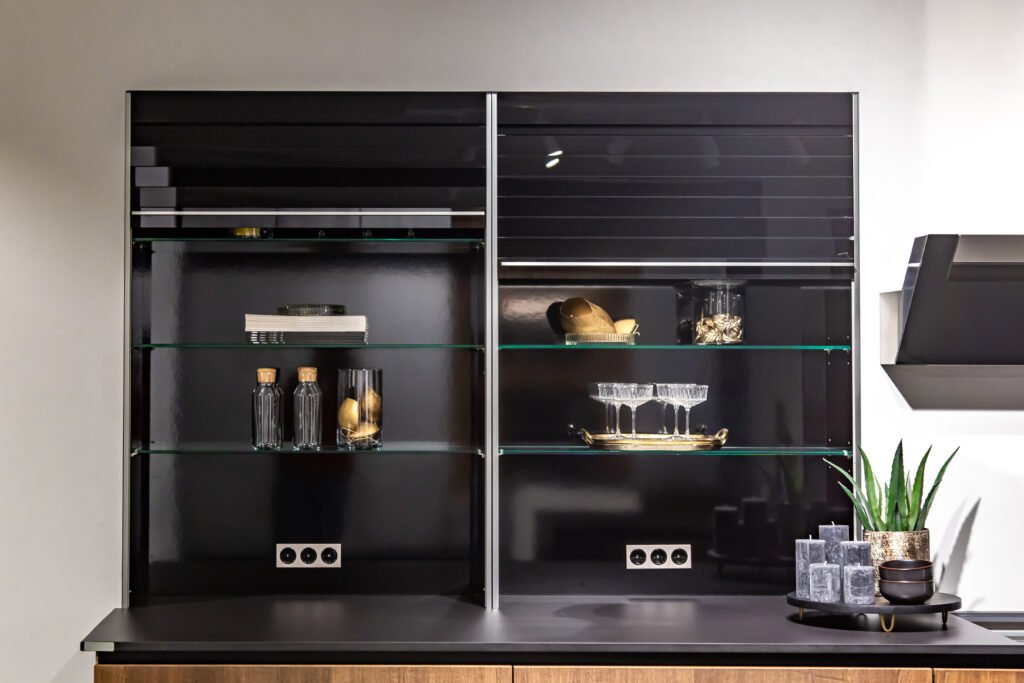
The biggest mistake people tend to make when they organize kitchen cabinets is stockpiling duplicates of the same thing as a backup. If you have three can openers, but only use one on a regular basis, get rid of the other two. Part of the interior of a modern kitchen, a place for cooking, an extractor hood and a stove.
3: Group Items by Category
One of the easiest way to organize your kitchen cabinets is to stop throwing things in random places and instead grouping them based on function. This is a game-changer.
These are some examples:
- Pots and pans
- baking tools and pans
- storage containers
- small appliances
- dishes and glasses
These are some major categories. Grouping makes much more sense than throwing everything into one cabinet. Now you will be able to easily find your mixing bowls without having to open up every cabinet in the kitchen!
4: Organize by Frequency of Use
Not all your stuff should be right at hand when you organize kitchen cabinets. Here’s a helpful guideline to follow:
- Things you use every day go on lower shelves and eye-level cabinets.
- Things you use less often (like holiday baking trays or serving platters) go on higher shelves or in the back of cabinets
- Items you rarely use can go on top shelves or in another room, like an outside storage area.
That way, you won’t have to wade through a forest of pots to get to your coffee mugs every morning.
5: How to Organize Kitchen Cabinets With the Right Organizers
Once you know how to organize kitchen cabinets by category and frequency, the next piece of the puzzle is having the right tools. You don’t need fancy, custom cabinets to get that organized look. Here are some great, cheap tools to organize the kitchen:
Cabinet shelf risers -These make shelves twice as tall, giving you more space.
Lazy Susan’s -Great for those awkward corner cabinets and storing spices.
Drawer dividers -So your utensils don’t end up as a jumbled mess.
Pot or pan lid organizers -To keep your pots’ lids from sliding around, falling off, etc.
Stackable storage bins -For storing cans or bags of chips or other snacks.
Pull-out drawers -Great for organizing those really deep cabinets.
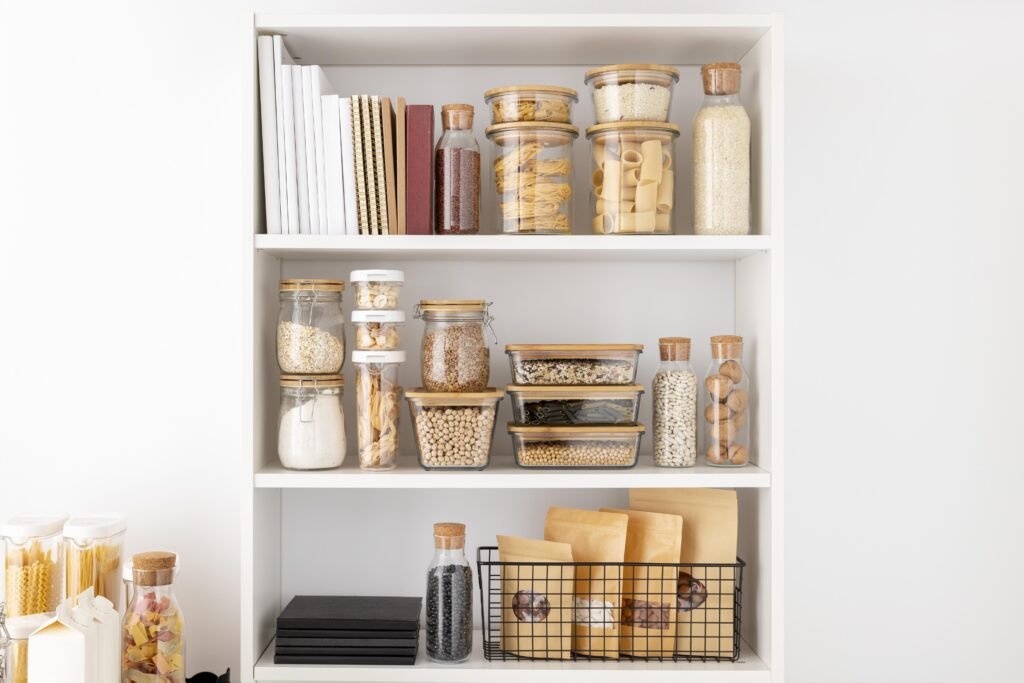
Comparison: Popular Kitchen Cabinet Organizers
| Organizer Type | Best For | Approx. Price Range | Ease of Installation |
| Shelf Risers | Adding vertical space | $10 – $25 | Very Easy (no tools) |
| Lazy Susan | Corner cabinets, spices | $8 – $20 | Very Easy |
| Drawer Dividers | Utensils, cutlery | $10 – $30 | Easy |
| Pot Lid Organizer | Lids and cutting boards | $12 – $25 | Easy |
| Stackable Bins | Pantry items in cabinets | $15 – $40(set) | Very Easy |
| Pull-Out Drawers | Deep base cabinets | $30 – $80 | Moderate (some require installation) |
It’s critical to identify your main needs and pick organizers accordingly. For example, if you have difficulty accessing cabinet contents because pot lids are always rolling away when you open a cabinet, start by buying a pot lid organizer.
6: Label Everything
Labels aren’t just for pantries— they’re one of the easiest ways to organize kitchen cabinets so everything has a clear home. Applying labels to bins, jars, or shelves makes it easier for everyone in the house – not just you – to put things back where they belong.
This is especially helpful in shared kitchens or with children who ‘help’ with the dishes.
7: Maintain the System
Organizing isn’t a one-time thing. If you don’t develop some habits, your cabinets are just going to end up cluttered again. Here are a few simple tricks to help you organize kitchen cabinets and keep your cabinets tidy.
Things you should do:
- Put things back where they belong right away.
- Have a 5 minute organizational checkup once a week.
- Declutter your cabinets every few months. Especially after holidays or big shopping trips.
Real-Life Example: A Small Kitchen Success Story
Many renters and small apartment dwellers feel that they do not have enough space to be organized. Often, kitchens are cluttered and messy due to not having the proper organizational tools, not the amount of space they have. Take one woman’s kitchen — she has a small two-cabinet kitchen, and after learning how to organize kitchen cabinets with just shelf risers and grouped baking supplies, she gained almost 30% more space! This is because not only can adding proper organization free up more space, but it also makes the kitchen look larger than it actually is.
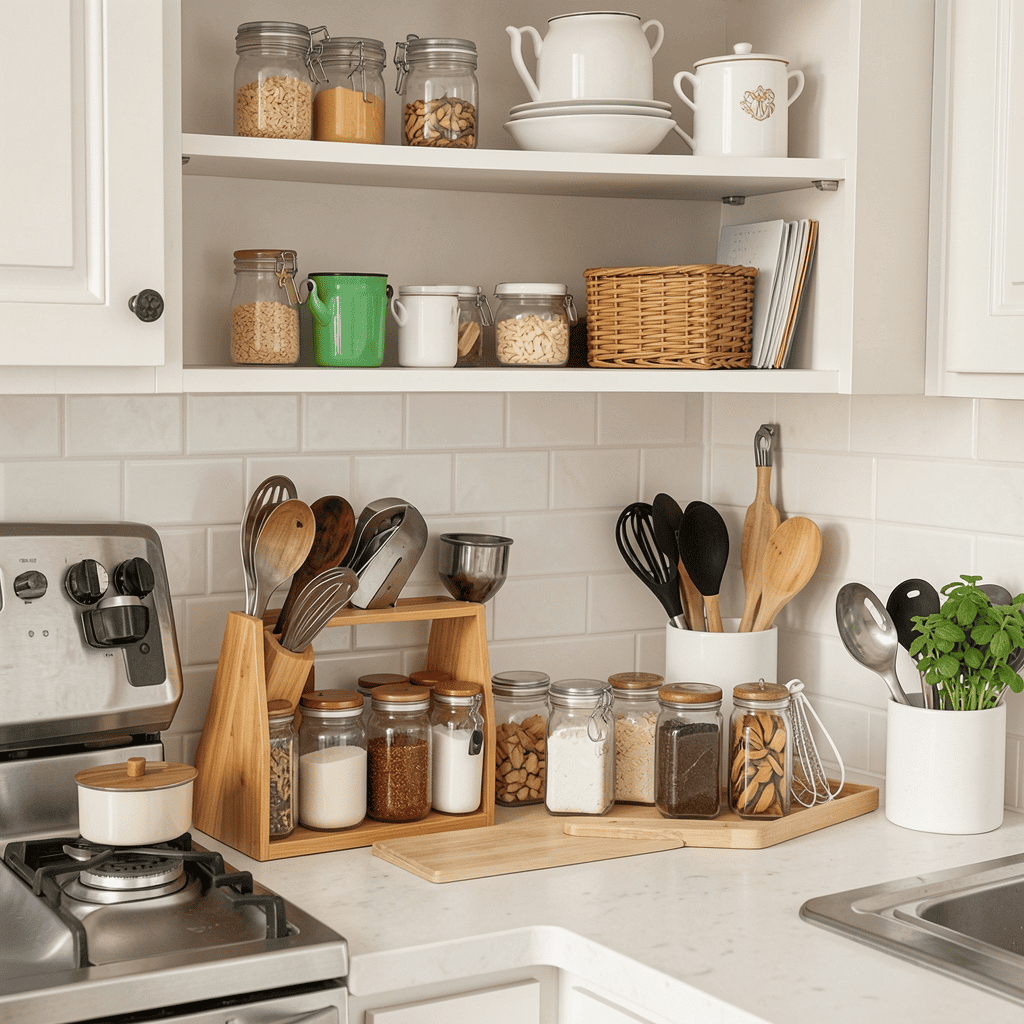
Common Mistakes to Avoid When You Organize Kitchen Cabinets
Even once you know how to organize kitchen cabinets in theory.
- Buying organizers before you get started may result in getting the wrong size or an abundance of organizers.
- Organizing without a plan usually involves a lot of random moving around that usually ends up going back to how it was within weeks.
- Not using vertical space may mean there is space being wasted in the cabinet above the stacked items.
- Not consulting everyone in the house about the system means it won’t work because only one person knows where things are.
FAQs
How often should I reorganize my kitchen cabinets? A rough guide is to organize kitchen cabinets light tidy each week and a proper declutter every 3-6 months.
What is the cheapest way to organize kitchen cabinets? Work with what you have before you buy anything. Shelf risers and tension rods are budget-friendly options, too.
How do I organize a small kitchen with limited cabinet space? Think vertically and be creative with shelf risers and the space behind cabinet doors when learning how to organize kitchen cabinets in a small kitchen. Only keep the essentials in the kitchen in your cabinets and store the rest elsewhere.
Should I organize by category or by how often I use things? When you organize kitchen cabinets, start with category first (pots, baking, storage) and then by frequency.
How do I keep kids from destroying my organized cabinets? Keep child-friendly things (think: cups) in easily accessible lower cabinets and use labels or pictures so they know where things go.
Conclusion
Learning how to organize kitchen cabinets doesn’t have to be a daunting task that eats up a fortune or requires a complete remodel. With patience, it just takes a bit of time to learn how to get started and make a few adjustments here and there for the kitchen to feel neat, organized, and easy to navigate everyday. By decluttering first, organizing similarly items, using some common cabinetry organizers, and creating small habits each day to maintain the orderliness – you will have an organized kitchen in no time!
Let’s start small today and only tackle one cabinet. You’ll see results and be motivated to continue on with the rest!
1 thought on “HOW TO ORGANIZE KITCHEN CABINETS: 7 EASY STEPS YOU’LL NEED”